

Peptides for long-term support.
Six peptide programs. One clinical pathway. Reviewed by a licensed clinician, dispensed by a US state-licensed pharmacy and shipped to your door, if prescribed.
Prescription only if a licensed clinician determines treatment is appropriate. Not everyone will qualify.
Six programs. One clinical pathway.
Each program starts with a medical intake and a clinician review. Choose where you want to begin; your clinician confirms what is appropriate for you.
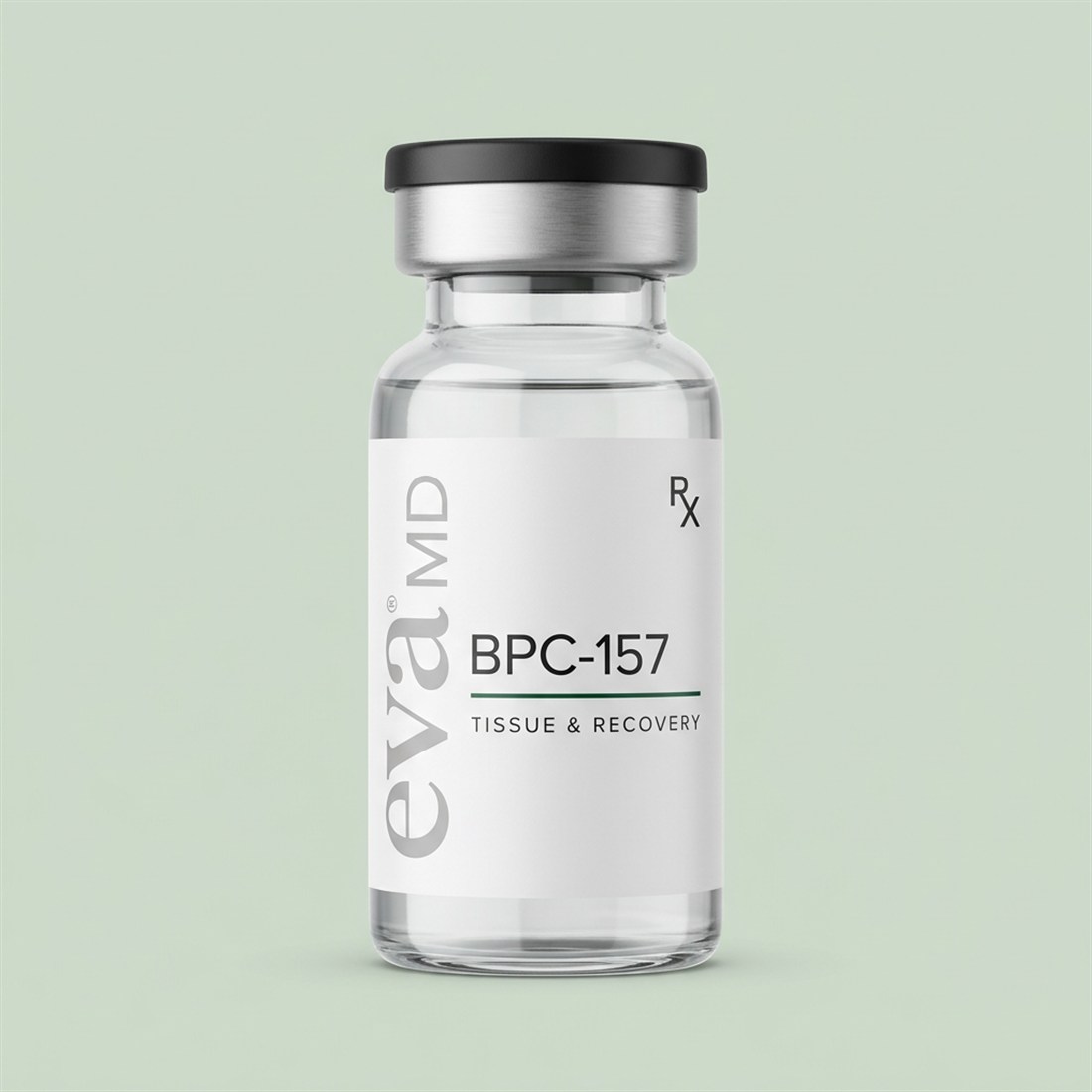
BPC-157
A research-stage peptide studied for its possible role in biological processes related to soft-tissue recovery and resilience.
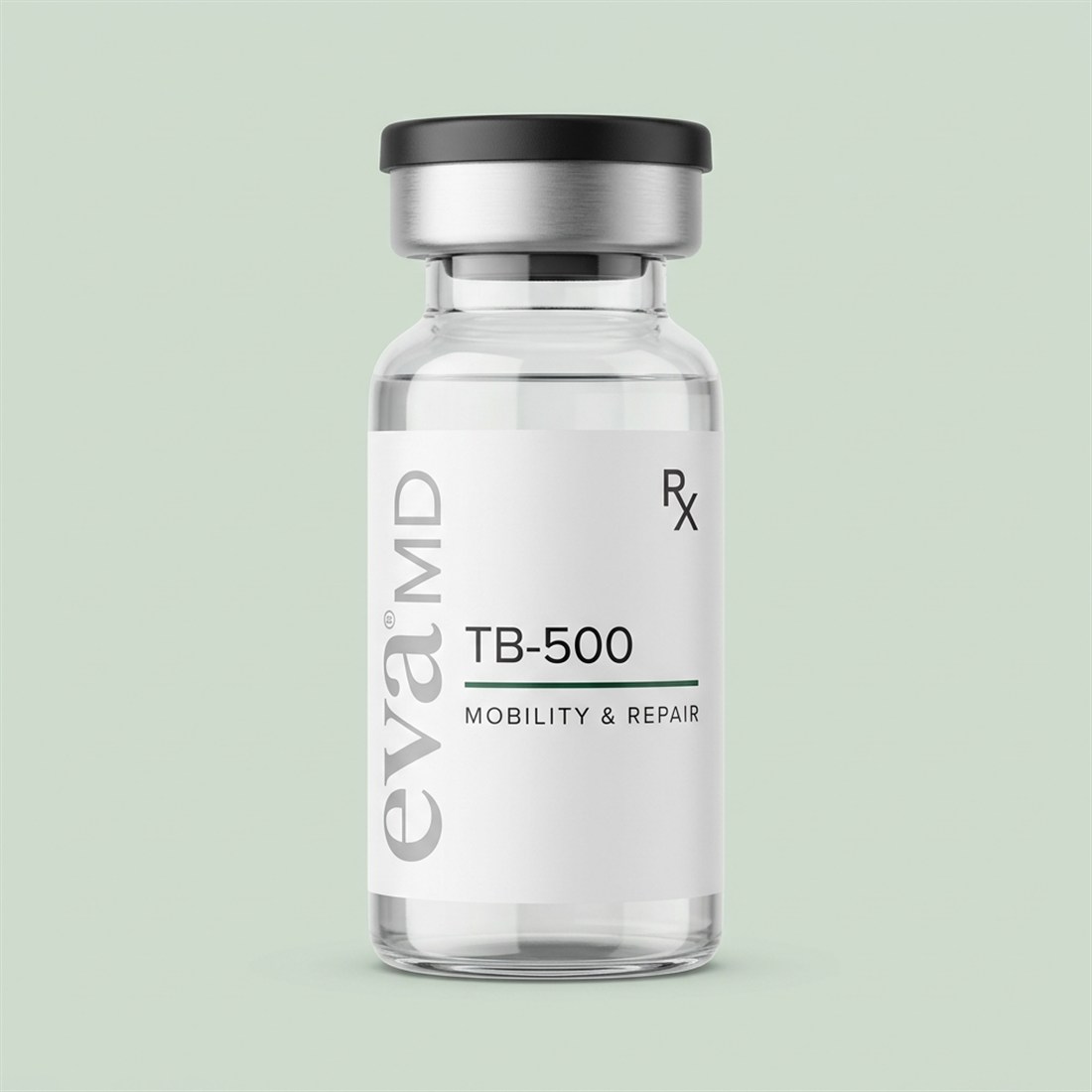
TB-500
A research-stage peptide studied for its possible role in biological processes related to tissue repair and recovery.
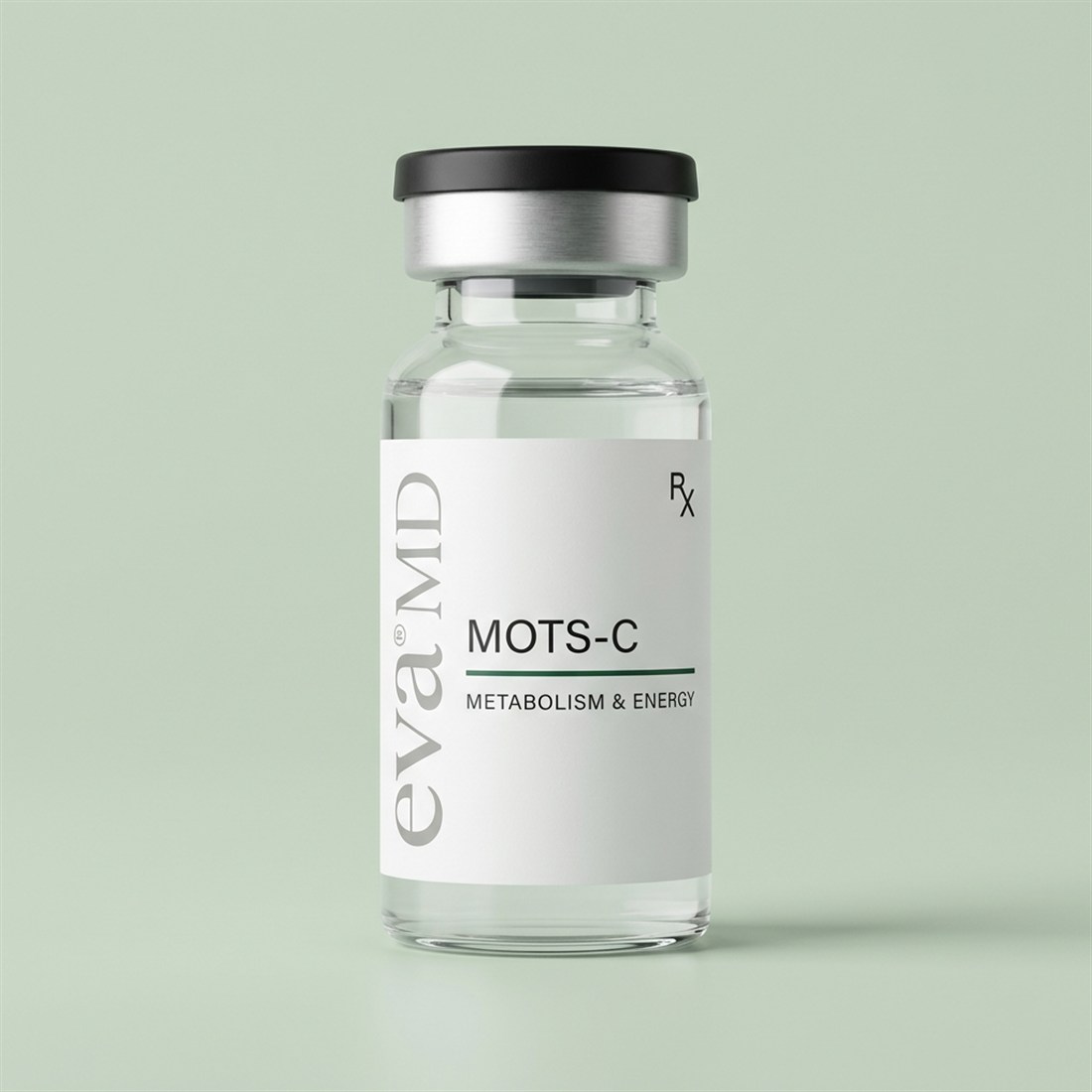
MOTS-C
A research-stage peptide studied for its possible role in energy utilization, metabolic resilience and the maintenance of body composition under physician supervision.
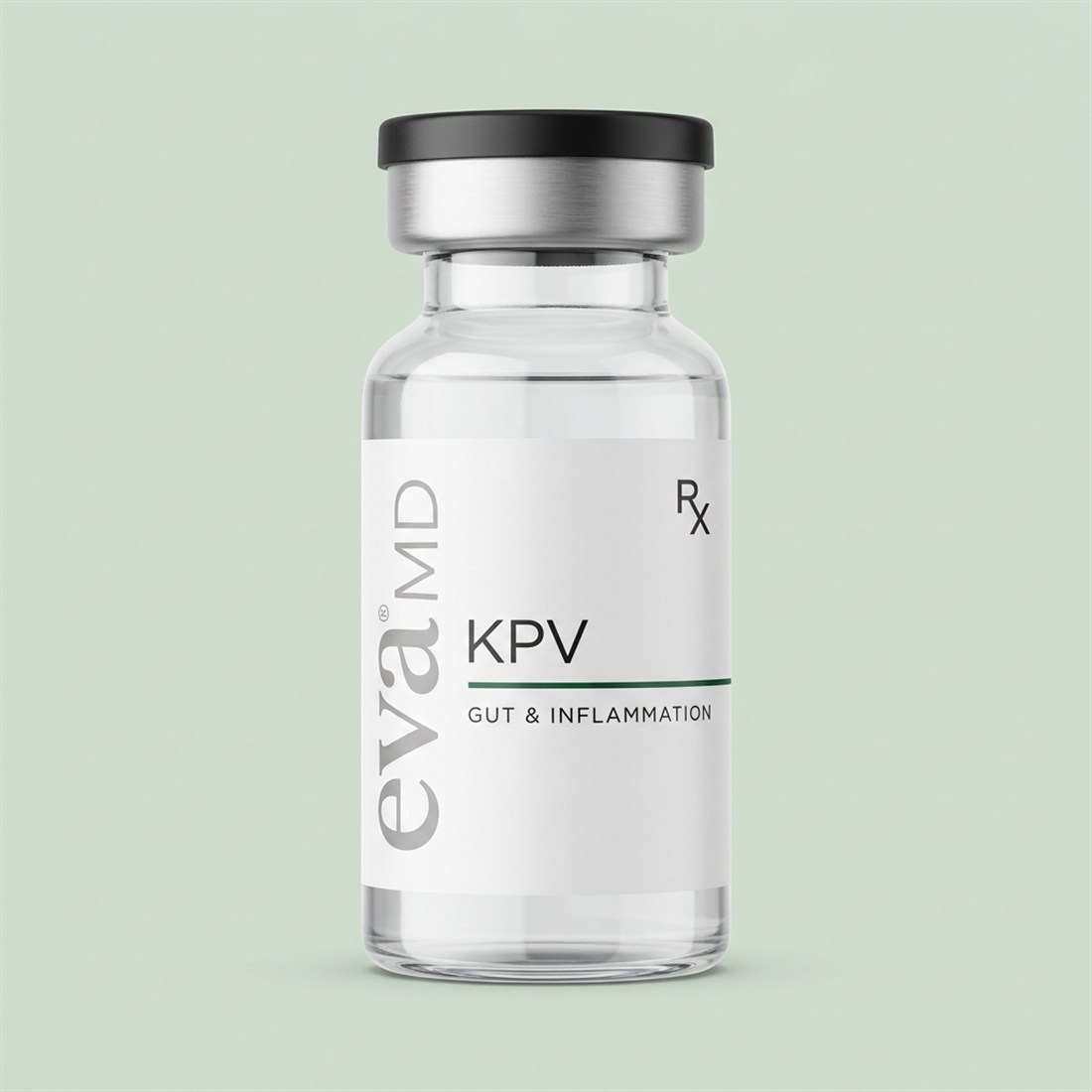
KPV
A research-stage peptide studied for its possible role in biological processes associated with inflammation.
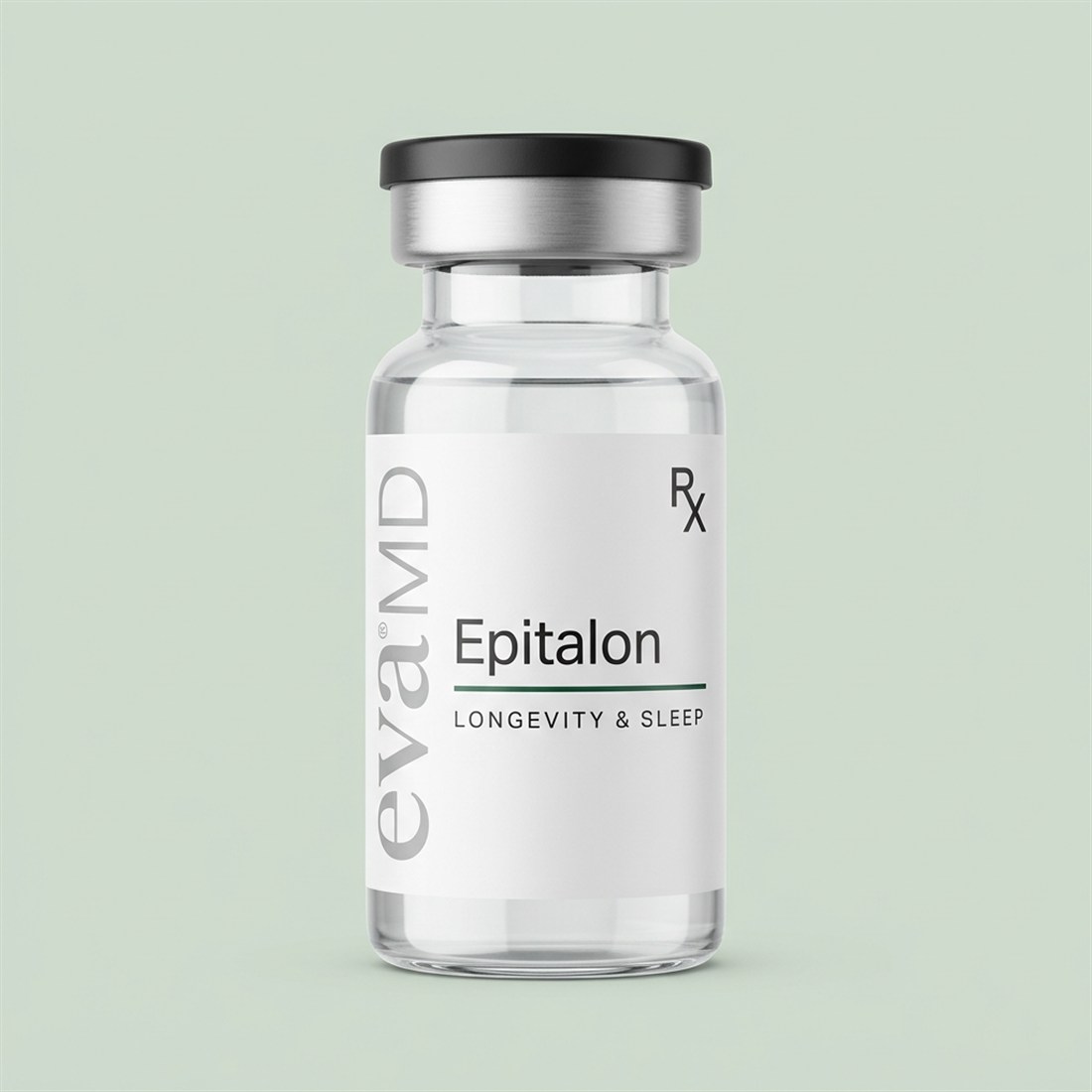
Epitalon
A research-stage peptide studied for its possible role in biological processes associated with aging and circadian regulation.
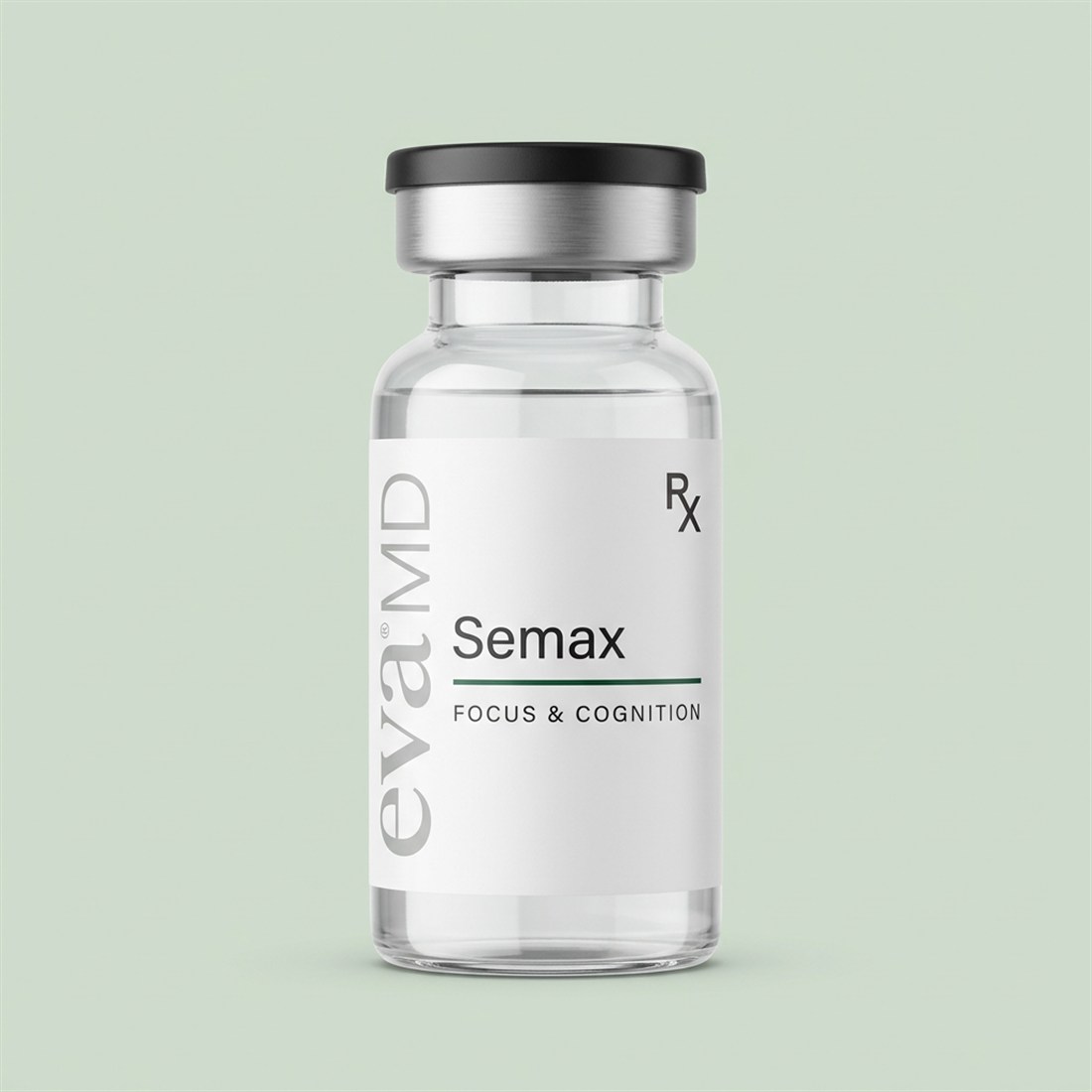
Semax
A research-stage peptide studied for its possible effects on neurological processes associated with cognition and the stress response.
*Sample pricing shown as a placeholder. Much of the available research is preclinical, and safety and efficacy for these purposes in humans have not been established. Compounded medications are not FDA-approved. Prescription only if a licensed clinician determines treatment is appropriate; not everyone will qualify.
Start online. Get reviewed.
Move forward with clarity.

Complete your medical history
Share your health history, current medications, goals and safety information.

Get a physician-reviewed protocol
A licensed clinician evaluates whether a peptide program is appropriate for you.
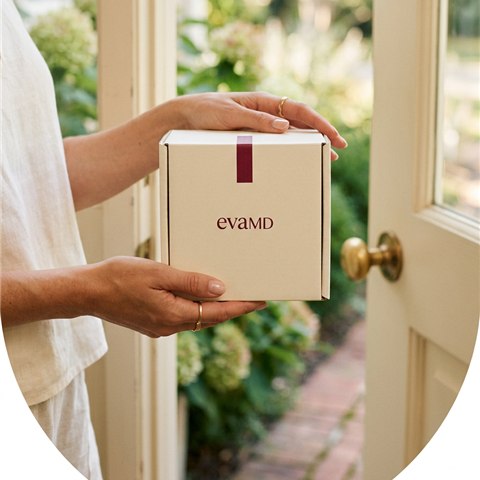
Optimize over time
If prescribed, your medication is dispensed by a US state-licensed pharmacy and shipped with clear instructions.
Ongoing support
Get help with protocol questions, refills and next steps from your care team.
Medical supervision beats vials of unknown origin.
The difference between a clinical pathway and a grey-market vial is everything that happens before and after the shipment.
| evaMD peptide program | Potential risks of unverified sources | |
|---|---|---|
| Intended use | ✓Human care pathway, if prescribed. | ✕May be labeled "not for human use". |
| Medical review | ✓Initial evaluation and review by a licensed clinician required. | ✕Meaningful medical review may be missing. |
| Eligibility screening | ✓Goals, medical history, medications, contraindications. | ✕There may be no screening at all. |
| Sourcing | ✓Dispensed by a US state-licensed pharmacy, if prescribed. | ✕Pharmacy identity and licensing can be hard to verify. |
| Dosing guidance | ✓Provided by your licensed clinician, if prescribed. | ✕May be self-directed. |
| Safety support | ✓Direct questions and side effects to your care team. | ✕Support may be unavailable. |
| Transparency | ✓Clear program, process and expectations. | ✕Source provenance may be anonymous. |
| Convenience | ✓Online intake, clinical review, free and fast delivery. | ✕May be offered without a valid prescription. |

A protocol written for you, not for everyone.
Your clinician reviews your goals, history and medications before anything is prescribed, sets your dosing if appropriate, and stays available for questions, side effects and refills.
- Eligibility and contraindication screening
- Clear dosing instructions, if prescribed
- Ongoing messaging with your care team
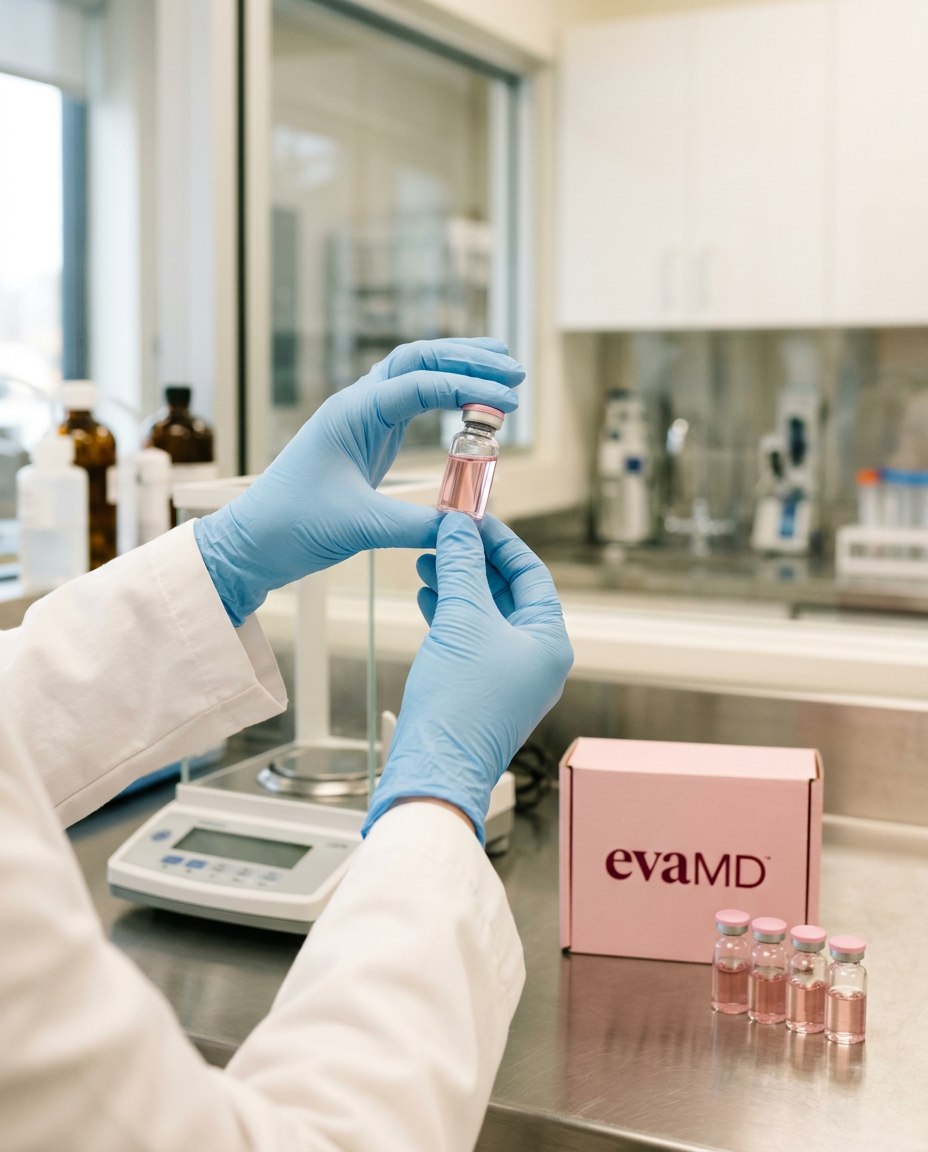
Know where your vial comes from.
If prescribed, your peptide is compounded and dispensed by a US state-licensed 503A/503B pharmacy and shipped free to your door with clear instructions. No anonymous sourcing, no "research use only" labels.
Illustrative sample stories and results — not verified evaMD patient outcomes.
Member storiesWhat our members say.
"I got more information in my first consultation than in months of searching elsewhere."Sample story · Samuel L.
"Customer care has been excellent from day one. The medication shipped quickly and arrived in perfect condition."Sample story · Antonio S.
"For the first time someone explained what the research actually says, and what it doesn't. I knew exactly what I was starting."Sample story · Daniela R.
Testimonials shown are placeholders pending verified member stories. Individual results may vary.
Trusted quality and safety.
Licensed compounding
Dispensed by US state-licensed 503A/503B pharmacies, if prescribed, with identity and licensing you can verify.
Licensed clinicians
Every intake is reviewed by a licensed clinician who screens for eligibility and contraindications before prescribing.

Clear expectations
Program, process and what the evidence does and does not show, explained plainly in your portal.
What the research does and does not show.
Plain-language summaries. Much of the available research is preclinical; safety and efficacy for these purposes in humans have not been established. Educational only, not medical advice.
BPC-157 and soft-tissue healing in animal models
BPC-157 is a synthetic peptide derived from a protective protein found in gastric juice. Rodent studies have reported effects on tendon, ligament and muscle healing. Controlled human trials are lacking.
Preclinical literature, reviewed in Journal of Orthopaedic Surgery and Research and related journals, 2010s–2020s.
TB-500 (thymosin beta-4 fragment) and tissue repair
Thymosin beta-4 is a naturally occurring protein involved in cell migration and wound repair. Experimental studies have explored its role in cardiac and dermal tissue repair. Evidence in humans for TB-500 specifically is limited to small or preclinical work.
Thymosin beta-4 research, Annals of the New York Academy of Sciences and related journals.
MOTS-c, a mitochondrial-derived peptide, and metabolism
MOTS-c is encoded in mitochondrial DNA and has been studied in mice for effects on insulin sensitivity, exercise capacity and metabolic homeostasis. Human data are early and observational.
Lee C et al., Cell Metabolism, 2015, and subsequent preclinical studies.
KPV and inflammatory pathways
KPV is a tripeptide fragment of alpha-melanocyte-stimulating hormone. Laboratory and animal studies have examined its anti-inflammatory activity, including in models of intestinal inflammation. Clinical evidence in humans is not established.
Preclinical studies on alpha-MSH–derived peptides, 2000s–2020s.
Epitalon, telomerase and circadian regulation
Epitalon is a synthetic tetrapeptide studied mainly in Russian research for effects on telomerase activity in cell culture and on circadian and pineal function in animals and small human cohorts. Rigorous controlled trials are lacking.
Khavinson VK and colleagues, Bulletin of Experimental Biology and Medicine and related journals.
Semax and neurological function
Semax is a synthetic peptide analog of a fragment of ACTH, used clinically in Russia and studied for effects on cognition, attention and the stress response. It is not approved by the FDA, and evidence outside that context is limited.
Russian clinical and preclinical literature on Semax, 1990s–2020s.
Everything you need to know in one place
Tap a question to expand it.
How does evaMD peptide care work?
You start with a short quiz and medical intake. A licensed clinician reviews your goals, health history, medications and safety information. If treatment is appropriate, your provider may prescribe, and the prescription may be fulfilled through a partner pharmacy where available.
Are these peptides available without a prescription?
No. Every program requires a medical intake and a review by a licensed clinician. A prescription is issued only if the clinician determines treatment is appropriate. Not everyone will qualify.
Are compounded peptides FDA-approved?
No. Compounded medications are prepared by licensed 503A/503B pharmacies and are not FDA-approved; they have not been evaluated by the FDA for safety, efficacy or quality. Much of the research on these peptides is preclinical.
How do I know if I am eligible?
Eligibility is decided by the reviewing clinician based on your goals, medical history, current medications and contraindications. Adults 18 and over in eligible states can begin the intake; the clinician makes the final call.
Where do prescriptions come from?
If prescribed, your medication is dispensed by a US state-licensed pharmacy and shipped to your door with clear instructions. Pharmacy identity and licensing are disclosed, not anonymous.
What is included in the plan?
Medical intake and clinician review, a personalized protocol if prescribed, the medication dispensed by a licensed pharmacy, free shipping, dosing guidance and ongoing support for questions, side effects and refills.
Are peptides safe?
Safety and efficacy for these purposes in humans have not been established, and most evidence is preclinical. That is exactly why a clinician screens your history, sets dosing if appropriate and stays available for side effects. Report any adverse effect to your care team right away.
Can I use more than one peptide?
Possibly. Your clinician decides whether combining programs is appropriate for you, based on your goals, history and how you respond. Never combine peptides on your own.
Important information
These medications are compounded by licensed 503A/503B pharmacies. Compounded medications are not FDA-approved and have not been evaluated for safety, efficacy or quality. Much of the available research on these peptides is preclinical, and their safety and efficacy for these purposes in humans have not been established. Individual results may vary. Prescription only if a licensed clinician determines treatment is appropriate; not everyone will qualify. These statements have not been evaluated by the Food and Drug Administration. This product is not intended to diagnose, treat, cure or prevent any disease.
Start with a clinical pathway, not a guess.
Complete your medical history and let a licensed clinician review whether a peptide program is right for you.
Explore peptidesCompounded prescriptions are prepared by licensed pharmacies and are not FDA-approved.